Methods
Strain Collection
Our bacterial isolates are collected from collaborators around the world through a Material Transfer Agreement (MTA), ensuring compliance with international regulations like the Nagoya Protocol.
Along with each isolate, we gather minimal metadata, including the country, sample origin, and the year of isolation, while safeguarding the rights of both contributing institutions and patients. For isolates with the necessary ethical approval, anonymized or pseudonymized clinical data are collected through REDCap.
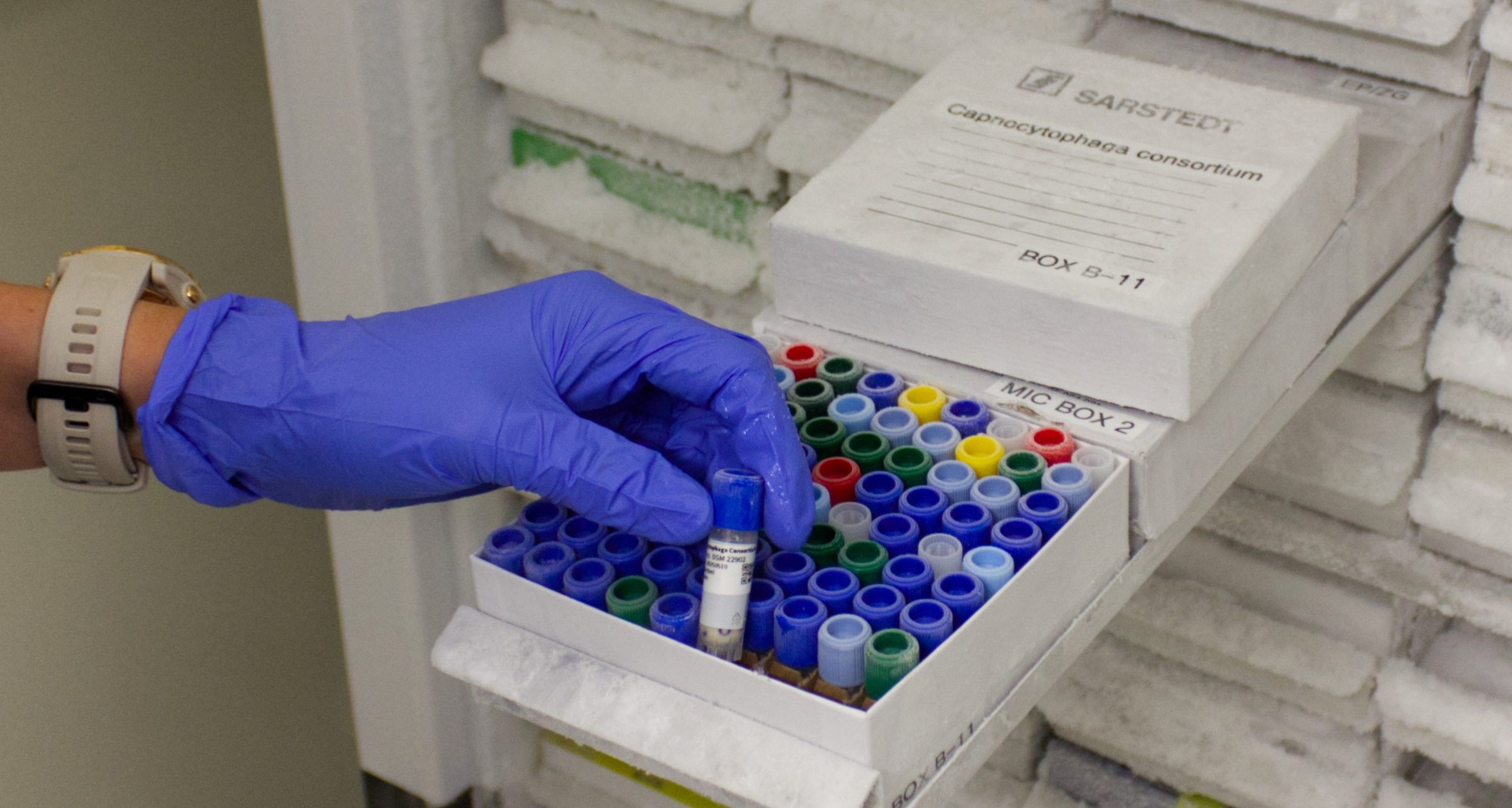 The isolates are biobanked and processed at the University of Zurich.
We collect both retrospective isolates from human infections and saliva samples from animals, aiming to culture these bacteria from the rich oral microbiota. This approach helps us investigate microbial diversity across hosts, uncover ecological links between human and animal populations, and understand how different environments shape bacterial adaptation.
Sequencing
The complete Capnocytophaga strain collection is undergoing whole-genome sequencing using Illumina. All genomic data will be made available on public data repositories such as ENA & NCBI.
A selected subset of isolates will also be sequenced using Oxford Nanopore Technology (ONT) and combined with Illumina data to generate high-quality hybrid assemblies.
Bioinformatics Pipeline
Bacterial genomic data are analysed using the IMMense pipeline developed at the Institute of Medical Microbiology of the University of Zurich.
This nextflow pipeline covers:
Preprocessing
Pre-Assembly QC
Assembly
Post-Assembly QC
Taxonomy and typing
Genome annotation
Genome inspection (antimicrobial resistance genes, virulence factors)
Growing the bacteria
Capnocytophaga are fastidious, rather slow-growing organisms. The optimal growth conditions are in 5% CO2, but they may also be grown anaerobically.
Examples of suitable media:
Heart Infusion Agar (BD only) with 5% sheep blood
Fastidious anaerobic agar (Neogen only)
Columbia Sheep Blood Agar (COS)
Brain-heart Infusion Agar with 5% sheep blood
Example of C.canimorsus growth:
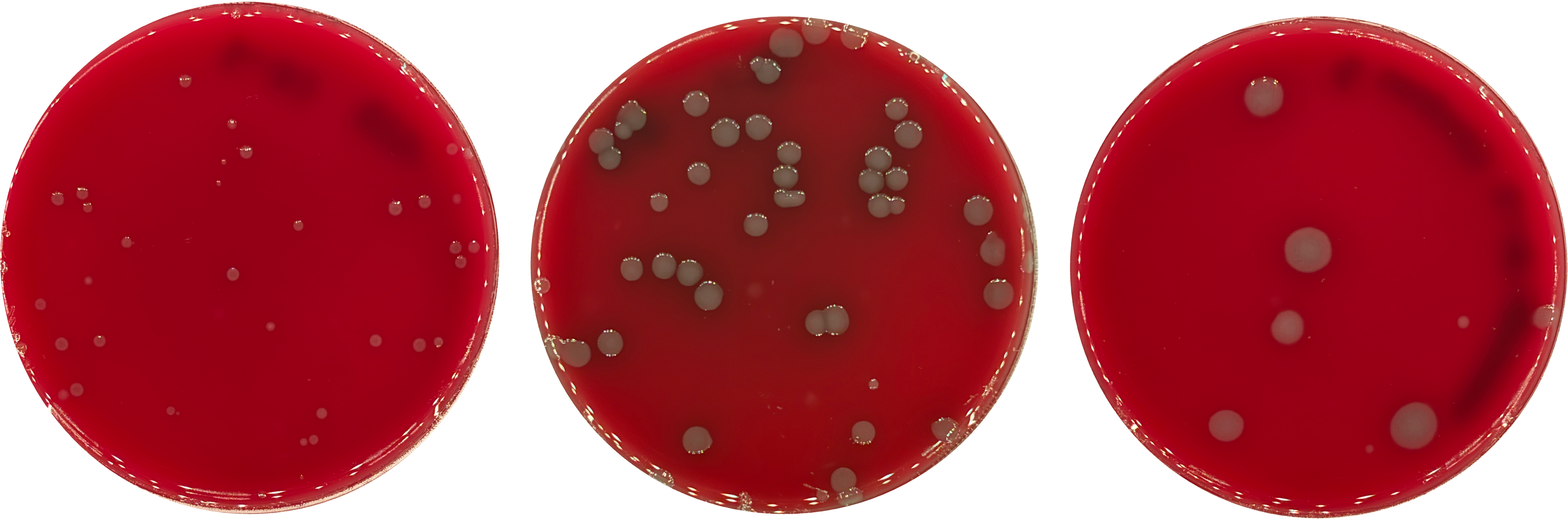 Translucent or grey-appearing colonies of varying sizes.